Hydration: Why It's Non-Negotiable When The Temps Go Up
The Summer Hydration Crisis We're Not Talking About
Let's be real—when July hits and temperatures soar, most of us know we should drink more water. Yet nearly 75% of Americans are chronically dehydrated, and the numbers get worse during heat waves. As we navigate another scorching summer, understanding proper hydration isn't just about comfort—it's about safety and wellbeing.
At Wellness Rising, we see the effects of dehydration firsthand: headaches, fatigue, brain fog, and worse. But here's the thing—most people don't realize they're dehydrated until they're already suffering the consequences.
Let's change that.
Why Your Body Needs Water More When It's Hot
Your body is an incredible machine with built-in cooling systems. When temperatures rise, here's what happens:
- Your blood vessels dilate to bring more blood (and heat) to the surface of your skin
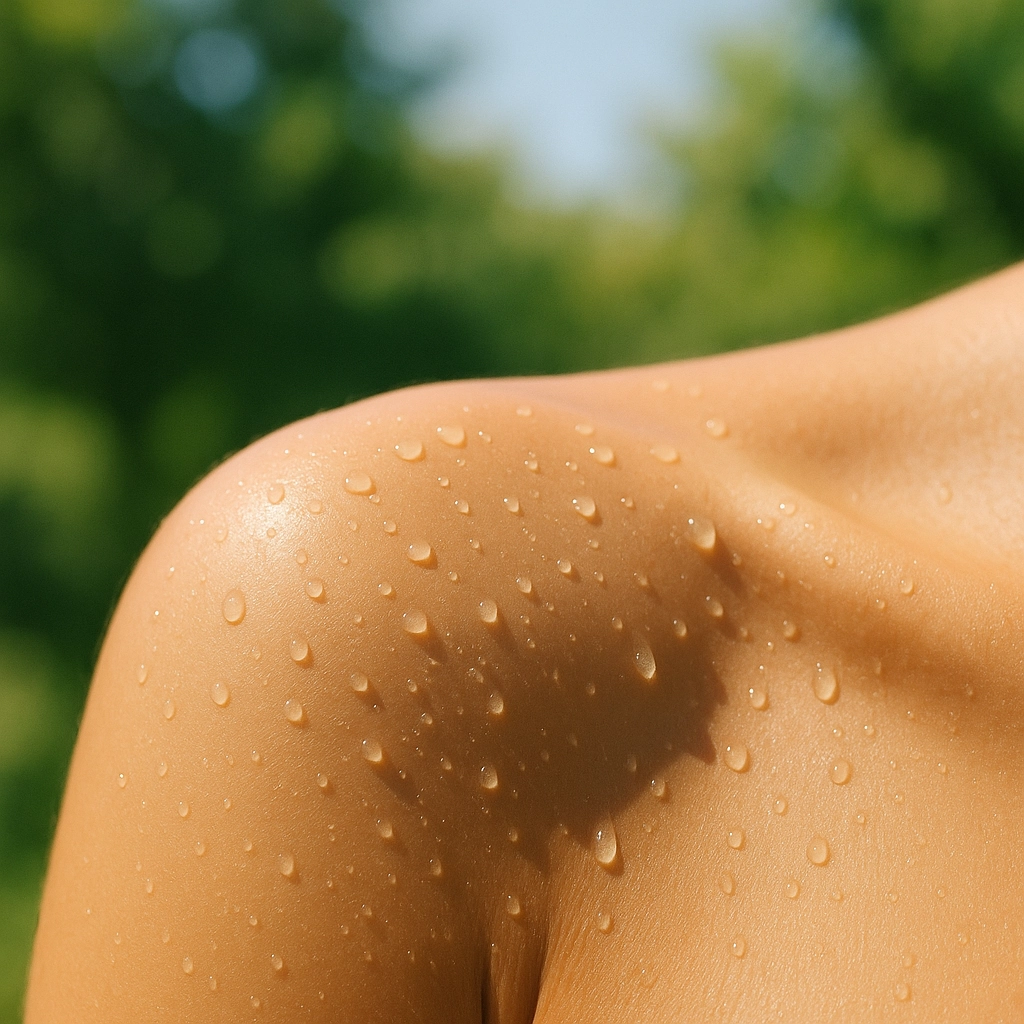
- You begin to sweat, which evaporates and cools your skin
- Your heart works harder to pump blood throughout your body
- Your kidneys filter more blood to help eliminate toxins
All of these processes require one crucial ingredient: water. Without enough of it, your body's cooling systems start to fail.
The Domino Effect: What Happens When You Don't Hydrate
Dehydration isn't just about feeling thirsty. It triggers a cascade of effects throughout your body:
Stage 1: Mild Dehydration (1-2% fluid loss)
- Thirst kicks in (but by now, you're already dehydrated)
- Dry mouth and lips
- Slightly darker urine
- Mild headache
- Decreased energy
Stage 2: Moderate Dehydration (3-5% fluid loss)
- Significant thirst
- Very dry mouth
- Darker yellow or amber urine
- Dizziness or lightheadedness
- Decreased skin elasticity
- Headache intensifies
- Muscle cramps
- Decreased mental performance
Stage 3: Severe Dehydration (>5% fluid loss)
- Extreme thirst
- Little or no urination
- Very dark urine
- Rapid heartbeat
- Rapid breathing
- Sunken eyes
- Lethargy or confusion
- Risk of heat exhaustion or heat stroke
Heat stroke is a medical emergency that can cause organ damage or even death if not treated promptly. This isn't meant to scare you—it's to emphasize that proper hydration is truly non-negotiable when temperatures rise.
The Mind-Body Connection: How Hydration Affects Your Mental State
We often focus on physical symptoms of dehydration, but did you know that your brain is approximately 75% water? Even mild dehydration can have significant effects on your mental and emotional wellbeing:
- Mood changes: Dehydration can make you irritable, anxious, or even depressed
- Concentration problems: Your ability to focus diminishes significantly
- Memory issues: Both short-term and working memory are affected
- Decision-making challenges: Your brain needs water to process information effectively
This is why at Wellness Rising, we emphasize hydration as a cornerstone of both physical and mental wellness. True transformation requires nurturing both the body and mind.
The Hydration Formula: How Much Do You Really Need?
The old advice of "eight glasses a day" is too simplistic. Your hydration needs are unique and change based on several factors:
- Your body weight
- Activity level
- Sweat rate
- Environmental conditions
- Health status
- Age
In hot weather, a general guideline is:
Your weight (in pounds) ÷ 2 = minimum ounces of water daily
For example, a 160-pound person would need at least 80 ounces (about 2.4 liters) of water daily under normal conditions.
In hot weather, add 16-32 additional ounces for every hour spent in the heat.
For intense activity in hot weather, the needs increase even more:
- Drink 16-20 ounces 1-2 hours before activity
- Drink 8 ounces 15-30 minutes before activity
- Drink 8 ounces every 15-20 minutes during activity
- Drink 16-24 ounces after activity for every pound lost through sweat
Beyond Water: Electrolytes and Why They Matter
Water alone isn't always enough, especially when you're sweating heavily. Your sweat contains electrolytes—minerals like sodium, potassium, calcium, and magnesium that carry electrical charges in your body. These electrolytes:
- Control fluid balance
- Regulate nerve and muscle function
- Help maintain proper pH
- Support cellular energy production
When you sweat, you lose both water and electrolytes. If you replace only the water, you can end up with an electrolyte imbalance called hyponatremia, which can be just as dangerous as dehydration.
Signs you need electrolytes along with water include:
- Muscle cramps or spasms
- Unusual fatigue despite drinking water
- Headaches that don't improve with water
- Nausea after drinking large amounts of water
- Heart palpitations
Good sources of electrolytes include:
- Coconut water (natural source of multiple electrolytes)
- Bananas (potassium)
- Sea salt or Himalayan salt (sodium and trace minerals)
- Leafy greens (calcium, magnesium)
- Quality electrolyte supplements (without artificial ingredients)
At Wellness Rising, we recommend a holistic approach to hydration that includes both water and proper electrolyte balance.
Hydration Hacks: Making Water a Habit
Knowing you need water is one thing—actually drinking enough is another challenge entirely. Try these practical strategies to boost your intake:
- Start early: Drink 16 ounces of water first thing in the morning
- Use visual cues: Keep a water bottle where you can see it at all times
- Set reminders: Use your phone to alert you every hour
- Upgrade your water: Add fruit slices, cucumber, mint, or a squeeze of citrus
- Eat water-rich foods: Watermelon, cucumber, strawberries, and lettuce are all 90%+ water
- Create triggers: Drink water before each meal, after bathroom breaks, or when transitioning between tasks
- Track your intake: Use an app or simple marks on your water bottle
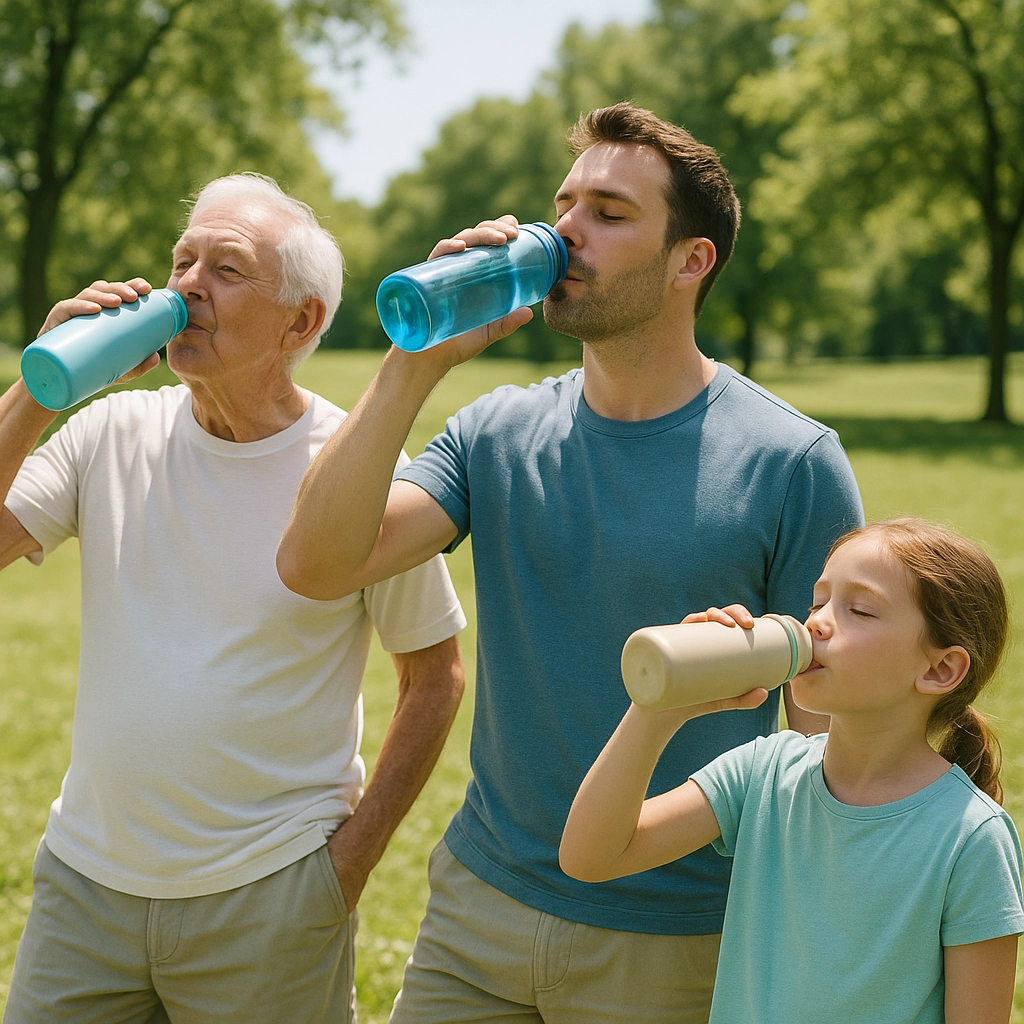
- Prepare for outings: Always carry water when leaving home in hot weather
Remember, the best hydration strategy is one you'll actually follow consistently.
Special Considerations for High-Risk Groups
Some people need to be especially vigilant about hydration in hot weather:
Athletes and Active Individuals
- Need more water and electrolytes due to increased sweat rates
- Should monitor urine color (pale yellow is ideal) and body weight changes
- May benefit from personalized hydration plans
Children
- Have higher surface area to body mass ratio, making them more vulnerable to heat
- Often don't recognize thirst cues
- Need encouragement to drink regularly during play
Older Adults
- Experience diminished thirst sensation with age
- May have medical conditions or take medications that affect hydration
- Should maintain a consistent drinking schedule regardless of thirst
Pregnant and Breastfeeding Women
- Have increased fluid needs to support both mother and baby
- Need to stay vigilant about hydration signs
- Should consult healthcare providers about specific requirements
The Spiritual Side of Hydration
At Wellness Rising, we recognize that wellness encompasses more than just the physical body. Water has been revered in spiritual traditions across cultures for millennia:
- Water symbolizes purification and renewal
- Many spiritual practices involve water rituals
- Staying hydrated supports clarity of mind for meditation and mindfulness
- The flow of water teaches us about adapting to life's changes
Hydrating mindfully can become a form of self-care and self-respect—a simple yet profound way to honor the vessel that carries your spirit.
When to Seek Help: Recognizing Serious Dehydration
While most cases of mild dehydration can be addressed by simply increasing fluid intake, severe dehydration requires medical attention. Seek immediate help if you or someone else experiences:
- Confusion or disorientation
- No urination for 8+ hours
- Dizziness that prevents standing
- Rapid heartbeat that doesn't slow with rest
- Seizures
- Loss of consciousness
Your Hydration Action Plan
As temperatures rise, commit to these simple steps:
- Assess your current hydration: Check your urine color first thing tomorrow morning
- Calculate your baseline needs: Use the weight formula mentioned earlier
- Set up your environment for success: Place water bottles in key locations
- Create a tracking system that works for you
- Listen to your body's signals: Thirst, energy levels, headaches, etc.
The Bottom Line
Proper hydration when temperatures soar isn't just good health advice—it's essential for your safety, wellbeing, and quality of life. Your body is roughly 60% water, and maintaining that balance becomes even more critical in hot weather.
At Wellness Rising, we believe that true transformation begins with honoring your body's fundamental needs. Hydration is the foundation upon which all other wellness practices build.
Are you ready to make proper hydration a priority this summer? Your body and mind will thank you with better energy, clearer thinking, and greater resilience in the heat.
Want to learn more about building healthy habits and supporting your wellbeing during challenging times? Contact us about our transformation packages for personalized guidance on your wellness journey.
Stay cool, stay hydrated, and remember—your wellness is rising with every mindful sip you take.


You must be logged in to post a comment.